Flooring selection is one of the decisions in a home renovation that carries the most long-term consequences. Unlike paint or fixtures, replacing flooring requires moving furniture, removing or covering baseboards, and in many cases a full disruption of the room. Choosing the right material from the outset — matched to the room's function, moisture exposure, and heating system — reduces the likelihood of needing replacement within a ten-year horizon.

Parquet and Engineered Wood
Solid wood parquet and engineered wood boards are widely used in Polish apartment renovations for living rooms and bedrooms. The distinction between the two is important for renovation planning:
- Solid parquet — typically 18–22 mm thick, made from a single piece of wood. Can be sanded and refinished multiple times over its lifespan. Sensitive to moisture and temperature swings. Not suitable for installation over water-based underfloor heating (UFH) systems without manufacturer approval.
- Engineered wood — a stable core (typically HDF or plywood) with a real wood veneer on top. Less sensitive to humidity changes, available in versions compatible with underfloor heating. The veneer layer determines how many times the floor can be sanded (typically 2–3 times for veneers of 3–4 mm).
Both require an acclimation period before installation — typically 48–72 hours in the room where they will be installed, at normal indoor temperature and humidity. Polish winters can reduce apartment humidity significantly, which causes wood floors to shrink and develop gaps. Maintaining indoor humidity between 45–65% (achievable with a simple humidifier) prolongs the lifespan of wood floors.
Laminate Flooring

Laminate remains the most common flooring material in Polish apartment renovations, primarily due to its low purchase cost and ease of installation. The main structural layers are an HDF core, a photographic décor paper layer, and a wear layer rated in AC classes:
- AC3 — light residential use (bedrooms, guest rooms)
- AC4 — general residential use (all rooms); the most common category for Polish apartment renovations
- AC5 — heavy residential or light commercial use; more resistant to impact and abrasion
Laminate cannot be sanded or refinished. Once the wear layer is damaged or swelling from moisture occurs, the boards must be replaced. Modern laminate products include a water-resistant core (wodoodporna płyta HDF), which resists short-term surface water exposure but is not a substitute for proper waterproofing in wet rooms. Laminate is not recommended for bathrooms or other areas with regular moisture contact.
Installation requires a 10–15 mm expansion gap around the perimeter of the room, which is covered by skirting boards. The gap accommodates natural expansion and contraction. Skipping this step causes buckling in rooms with temperature variation.
Ceramic and Porcelain Tile
Tile is the standard choice for Polish bathrooms, kitchens, hallways, and utility areas. It is waterproof, durable, and compatible with underfloor heating. The key variables in tile selection for renovation projects include:
- PEI rating — measures resistance to abrasion from foot traffic. Class 1–2 for wall use only; Class 3 for moderate foot traffic (residential bathroom floors); Class 4–5 for hallways and kitchens.
- R-rating (slip resistance) — relevant for bathroom floors and kitchen areas. R9 is the minimum for residential wet areas; R10 provides additional safety.
- Water absorption — porcelain tiles (BIa class, absorption <0.5%) are more resistant to frost and moisture than standard ceramic. Relevant for balconies or outdoor-adjacent areas.
Large-format tiles (60×60 cm and above) have become increasingly common in Polish apartment renovations. They create a more continuous visual surface but require a very flat substrate — deviation tolerance is typically ±2 mm under a 2-metre straight edge. Self-levelling compound is used to achieve this before laying tiles on older floors.
Vinyl (LVT) Flooring
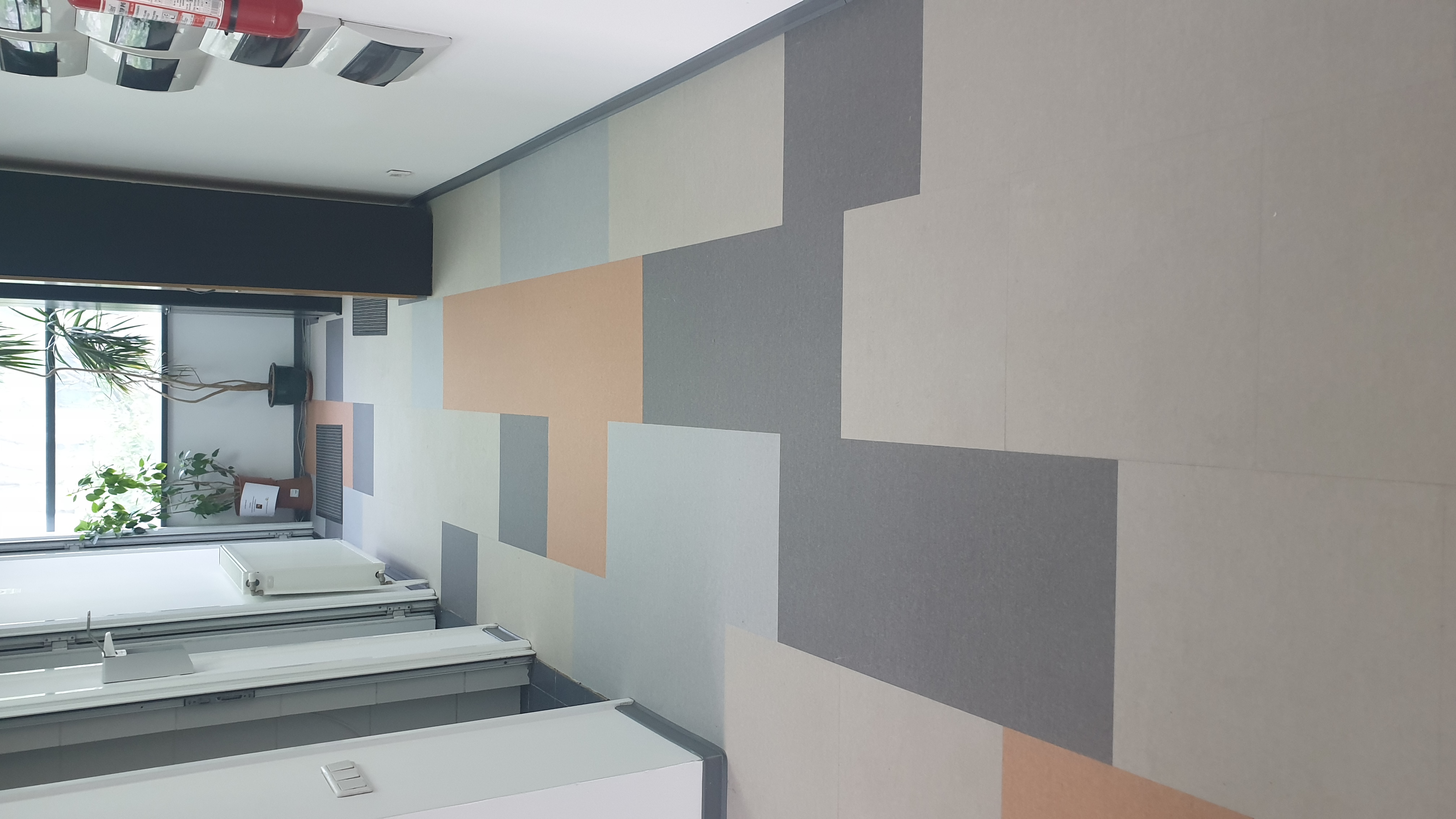
Luxury vinyl tile (LVT) and SPC (stone plastic composite) flooring have grown in popularity in Polish renovation projects over the past several years. Key properties relevant to Polish residential use:
- Fully waterproof — suitable for bathrooms and kitchens, unlike laminate
- Compatible with underfloor heating systems (check maximum surface temperature in manufacturer specifications — typically 27–28°C for UFH)
- No expansion gap needed for SPC products (rigid core eliminates the expansion that floating wood and laminate boards experience)
- Can be installed over most existing floor surfaces, including older tile, reducing demolition requirements
Wear layer thickness in LVT products is measured in mils (thousandths of an inch). For residential use, a wear layer of 6–12 mil is typical; 12 mil provides greater resistance to pet claws and furniture movement. Products with a wear layer below 6 mil show surface damage more quickly under normal residential conditions.
Underfloor Heating Compatibility
Underfloor heating is present in a growing proportion of newly renovated Polish apartments, particularly where screed is being replaced anyway. Each flooring material category carries different compatibility considerations:
- Tile — fully compatible with both water-based and electric UFH; the highest thermal conductivity of the main flooring categories
- Engineered wood — compatible with water-based UFH at surface temperatures not exceeding 27°C; check manufacturer documentation for specific products
- LVT/SPC — compatible with UFH at manufacturer-specified maximum temperatures; rapid thermal conductivity change is an advantage
- Laminate — some products are rated compatible with UFH; surface temperature should not exceed 27°C
- Solid parquet — generally not recommended with water-based UFH; some specialist products exist but the application is niche